What Is Yield Percentage — and Why Is Your Real Cost per Kilo Higher?
Yield percentage explained by a chef: the EP vs AP formula, real yield numbers for fish, meat and vegetables, and how to calculate your true cost per usable kilo.
Yield percentage is the share of a product that's actually usable after trimming, peeling, filleting, or cooking. A whole sea bass at 50% yield gives you 500 g of servable fish per kilo purchased — which means your real cost per kilo is double the invoice price. The formula: yield % = (usable weight ÷ purchased weight) × 100.
Every chef knows this instinctively. Far fewer put it in their costings — and that gap is where menus quietly lose money.
AP vs EP: the two prices of every ingredient
The trade terms:
- AP — As Purchased. What the invoice says. €30/kg for the whole fish.
- EP — Edible Portion. What ends up on the plate. The fillets, after head, bones, skin, and trim.
The number that belongs in your recipe costing is always EP cost:
EP cost per kg = AP price per kg ÷ yield %
That sea bass: €30 ÷ 0.50 = €60 per usable kilo. If your costing says €30, every dish with that fish is lying to you by half.
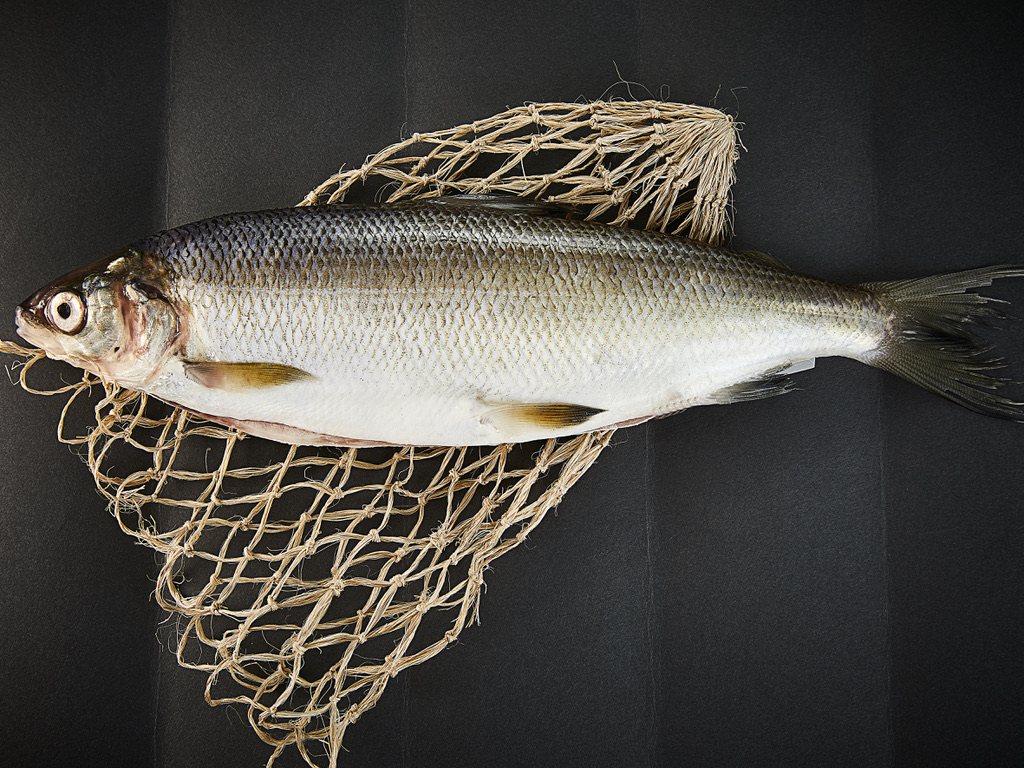
Real yield numbers from a working kitchen
Yields vary with product quality, size, and the hands doing the work — but these are honest starting points:
| Product | Typical yield | What disappears |
|---|---|---|
| Whole sea bass → fillets, skin on | 45–55% | head, frame, fins, trim |
| Whole chicken → breast + legs | 65–70% | carcass, wing tips, excess fat |
| Beef tenderloin, untrimmed | 75–85% | chain, silverskin, fat |
| Carrots | 80–85% | peel, tops, ends |
| Celeriac | 65–75% | thick peel, roots |
| Fresh herbs (leaf from bunch) | 40–60% | stems |
| Dried porcini | ~90% | dust, woody stems |
Two lessons hide in that table. First, the expensive products often have the worst yields — fish and specialty produce punish invoice-price costing hardest. Second, no table replaces your own numbers: weigh a real delivery once — whole product on the scale, usable product on the scale, divide. Ten minutes per key ingredient, and your costings stop guessing.
Cooking loss: the second yield
Trimming is only the first shrink. Roasting, braising, and grilling take another cut — a beef roast can lose 20–30% of its weight in the oven. For dishes portioned after cooking, chain the yields:
True cost per served kg = AP price ÷ (trim yield × cooking yield)
A €18/kg beef cut at 80% trim yield and 75% cooking yield really costs €18 ÷ (0.80 × 0.75) = €30 per served kilo. That's the number your portion cost must be built on.
Try it in DigitalKnife →Open the web tools · free trial for pro plansWhere yield thinking changes decisions
- Buying whole vs. prepped. Pre-cut fillets at €55/kg against whole fish at €30/kg with 50% yield: the fillets are cheaper (€55 vs €60 EP) — before you count the labor of filleting. Yield math turns "obviously buy whole" into an actual calculation. (The trim has value too — stocks, sauces — if you truly use it. Be honest about whether you do.)
- Supplier comparison. A cheaper supplier whose product trims worse can be the more expensive one. Compare EP costs, never AP.
- Portion pricing. Every portion on the menu should trace back to an EP cost. If it traces to an invoice price, the food-cost percentage on that dish is fiction.
Related questions
Is yield the same as waste percentage? They're mirror images: yield 60% = waste 40%. Kitchens track whichever they act on — yield for costing, waste for reduction targets.
Do I need to re-measure yields often? When the product changes: new supplier, different size grade, seasonal shift. A winter carrot and a spring bunch carrot don't trim the same.
Does yield apply to liquids? Yes — reductions are extreme yields. A jus reduced 10:1 makes each liter served carry the cost of ten.
What's an acceptable yield? There's no universal target — only a known one. The failure isn't a 45% fish yield; it's costing the fish as if it were 100%.
Catalin Cucu is a chef and the founder of DigitalKnife — the kitchen toolkit that costs plates, tracks yields, and keeps the math honest.